
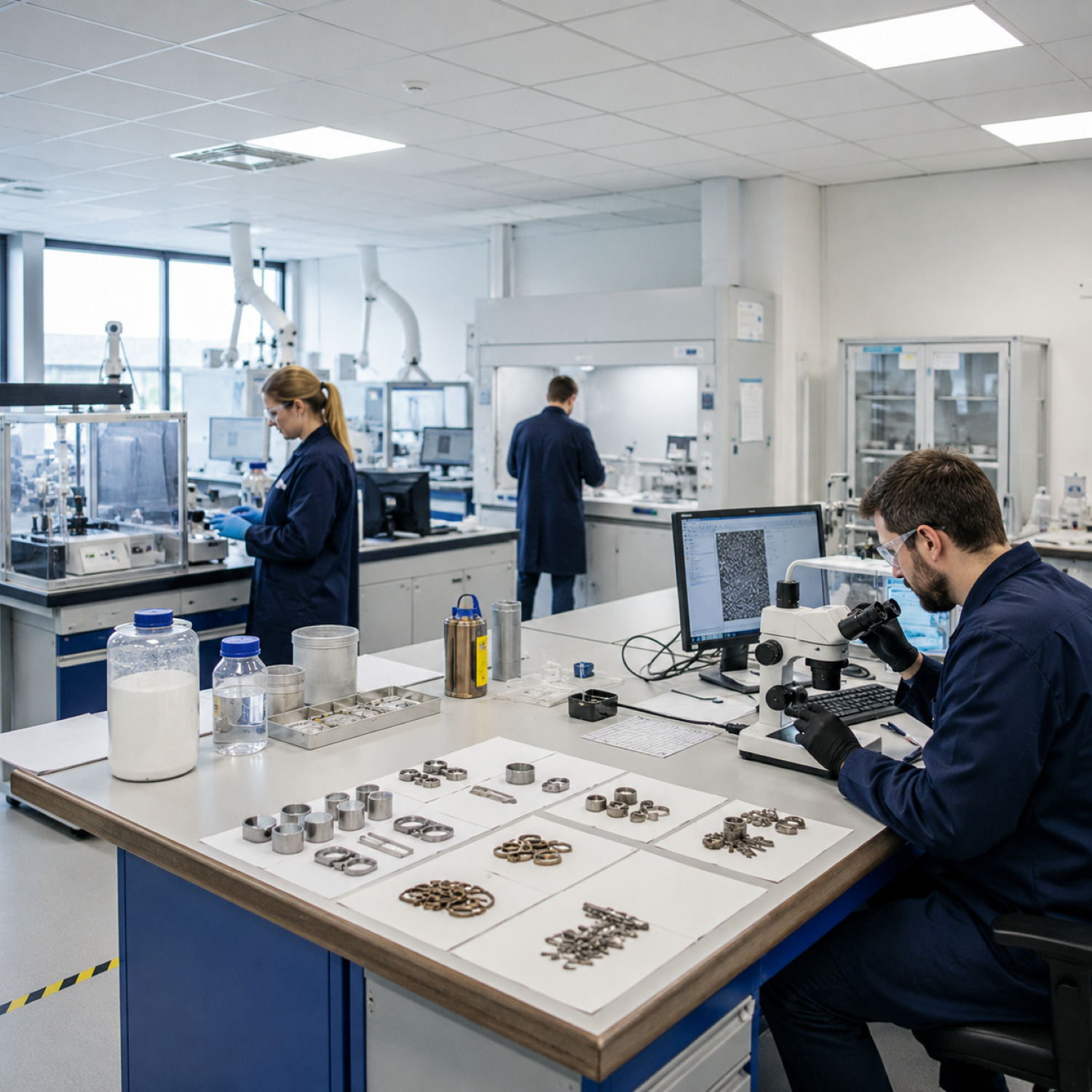
Making the Most of Your ISO 16232 Test Results What’s Next for Your Business
Receiving the results from your recent ISO 16232 testing is just the starting point. These detailed cleanliness reports provide more than just numbers—they offer valuable insights that can drive smarter decisions in your manufacturing or product development processes. Knowing how to interpret and apply these findings can enhance your operations and solidify your quality assurance efforts.
Understanding the Importance of Cleanliness Data
ISO 16232 testing focuses on evaluating particulate contamination in components, especially for automotive and precision industries. When you get the test report, it typically outlines the type, size, and concentration of particles found on or inside the parts. These details help identify contamination sources, verify cleaning process effectiveness, and comply with industry standards.
Interpreting these data points involves looking beyond mere pass or fail results. For example, an unusual increase in particle concentration might point to issues in handling or storage, while specific particle types can indicate contamination from equipment wear or environmental exposure.
Step-by-step actions to leverage your test reports
- Review particle size distribution carefully to identify if particulates are within acceptable limits for your application. Larger particles might cause mechanical failures, while smaller particles could affect surface treatments.
- Trace contamination back to process steps by comparing test results from different stages of manufacturing. This helps isolate critical points where cleaning or handling improvements are necessary.
- Adjust cleaning protocols based on the particle types and concentrations identified. For instance, if metallic debris is prevalent, revisiting machining coolant or filtration systems might be warranted.
- Document trends over time by scheduling regular cleanliness tests. Continuous monitoring supports proactive maintenance and prevents costly downtime.
Integrating findings with quality and production strategies
ISO 16232 testing results become a powerful tool when used in conjunction with your overall quality management. Aligning contamination control efforts with manufacturing protocols can reduce defect rates and improve product reliability. Sharing findings with your engineering and supply chain teams encourages collaboration on root cause analysis and corrective actions.
Another key point is to ensure documentation complies with customer requirements and regulatory frameworks. Detailed cleanliness test reports validate your commitment to quality and enhance trust with your partners.
Where to go from here with ISO 16232 testing
Continuing to rely on these test results means setting up a structured review and response system. Consider creating an internal dashboard or report summary that highlights critical cleanliness metrics for quick decision-making.
For companies aiming to benchmark against other standards or explore further cleanliness verification, exploring the differences between ISO 16232 and standards like VDA 19 is beneficial. Checking reliable sources can guide you on the most relevant practices for your industry and goals, for example, through detailed insight on iso 16232 testing .
| Action | Purpose | Outcome |
|---|---|---|
| Analyze particle size and type | Identify contamination source | Targeted corrective actions |
| Compare test results at production stages | Highlight process weaknesses | Process optimization |
| Update cleaning procedures | Eliminate identified contaminants | Improved product quality |
| Regular monitoring | Track trends | Proactive maintenance |
By carefully examining and acting upon the data from your cleanliness tests, you position your business to achieve higher product standards and reduce costly failures. This practical approach transforms complex test results into clear operational benefits, helping maintain competitive advantage in demanding markets.